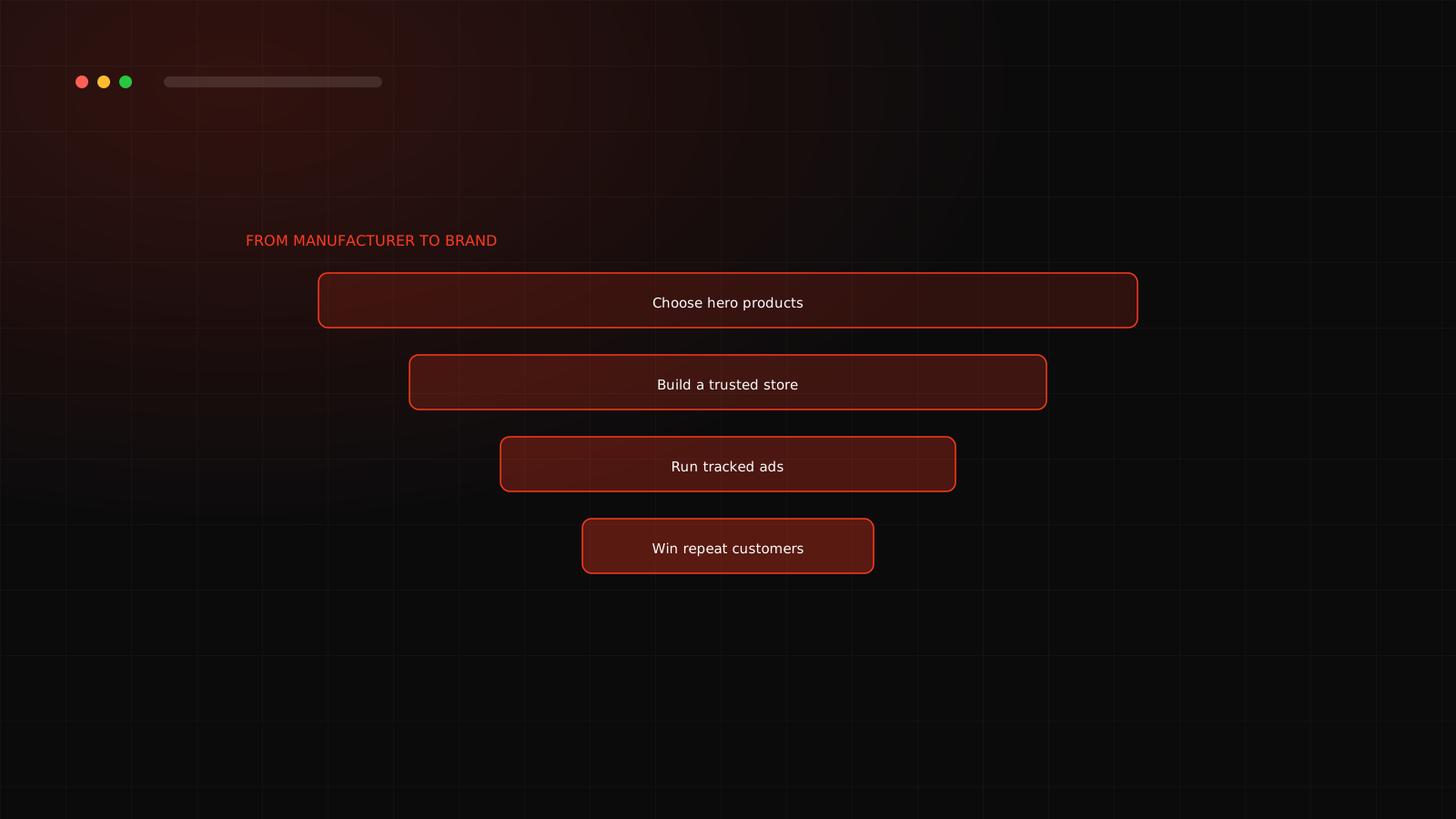
How to Start a D2C Brand in India: A Step-by-Step Guide
A practical step-by-step plan for starting a D2C brand in India: product, margins, store, payments, shipping, compliance and your first 90 days of marketing.
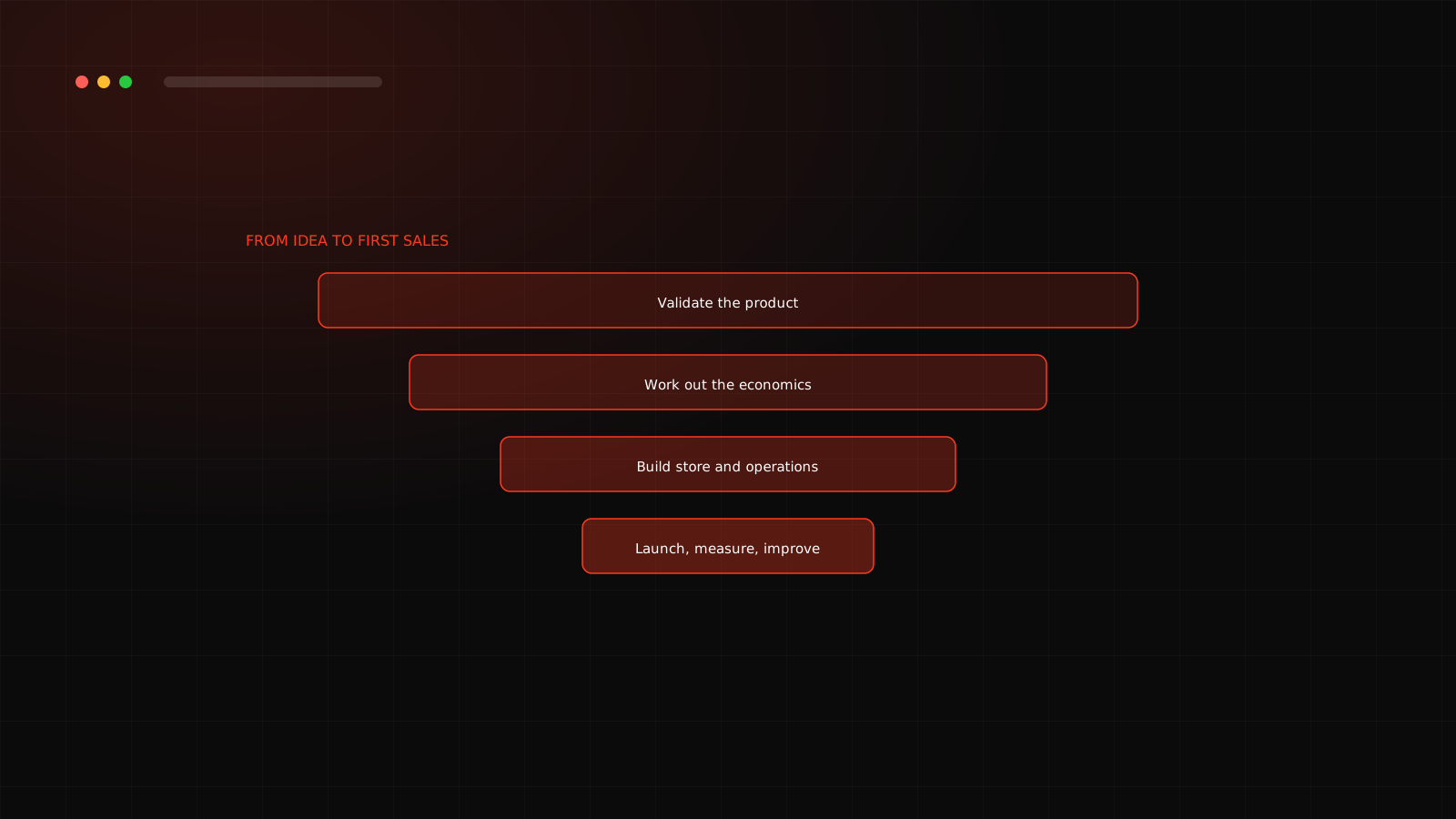
1. Validate the product
Before you build a brand, check that people want what you make. Talk to potential buyers, look at competitors and test interest with a simple page or a small pre-order. A product that solves a clear problem or serves a clear taste is easier to sell than a generic one.
2. Work out your unit economics
| Item | What to calculate |
|---|---|
| Selling price | What the customer pays |
| Product and packaging cost | What it costs you to make and pack |
| Shipping and returns | Courier, packing and expected returns |
| Fees | Payment gateway and platform fees |
| Contribution margin | What is left to pay for ads and overheads |
Your contribution margin tells you how much you can spend to win a customer. See what a good ROAS is for how margin sets your break-even.
3. Build a brand and a trustworthy store
- A clear name, story and look.
- Real product photos and short videos.
- Clear policies for shipping, returns and contact.
- A fast, simple store, usually on Shopify. See our landing page checklist.
4. Set up payments, shipping and returns
- Offer UPI and cards, and decide carefully whether to offer cash on delivery.
- Choose reliable courier partners and test delivery to several pin codes.
- Plan returns and refunds before the first order.
- Read how COD returns change your profit.
5. Check the legal and product rules
Requirements depend on your structure and product. Many categories have specific rules, for example food, cosmetics, supplements and gold jewellery. Speak to a chartered accountant and, where needed, a lawyer, and check the rules for your category before you launch.
6. Set up tracking before you spend
Install analytics and ad tracking so you know what sells. See Meta Pixel and Conversions API setup and Google Ads conversion tracking for Shopify.
7. Launch with a small test
Mistakes to avoid
- Competing only on price.
- Skipping unit economics, so every sale loses money.
- Running ads before tracking works.
- Expecting profit in the first month.
- Ignoring repeat purchases.
If you are in Surat, read how Surat brands can sell online. Want a team to improve this for you? See our ecommerce marketing agency in Surat.
Planning a D2C launch?
Send us your product and numbers. The free audit shows where to start.
Frequently asked questions
It depends on your product, inventory, store, photography and ad budget. Work out your costs from unit economics before you commit.
Most brands register a business and handle tax registration, but the requirements depend on your structure, turnover and product. Speak to a chartered accountant.
Many brands do both. Marketplaces give fast traffic with less control. Your own store builds margin and customer data.
It varies widely. Plan for months of learning, and watch unit economics, repeat purchases and acquisition cost, not only revenue.