How Surat Manufacturers and Brands Can Start Selling Online Direct to Consumers
Surat makes products the whole country buys. Here is a step-by-step plan for turning a manufacturing advantage into a profitable D2C brand.
The Surat advantage
Surat is widely known as a major hub for textiles and for diamond cutting and polishing, though estimates of its share of national output vary by source. Many businesses here make high-quality products at competitive cost and sell mainly to traders and wholesalers. Selling direct to consumers lets you keep more margin, learn what buyers actually want and build a brand that is not just a supplier.
The new skill: marketing
Making a product and selling a product are different jobs. A trader knows a buyer personally. An online customer is a stranger who must trust you in seconds. That is where performance marketing comes in, as the system that finds those strangers, shows them your product and measures what works.
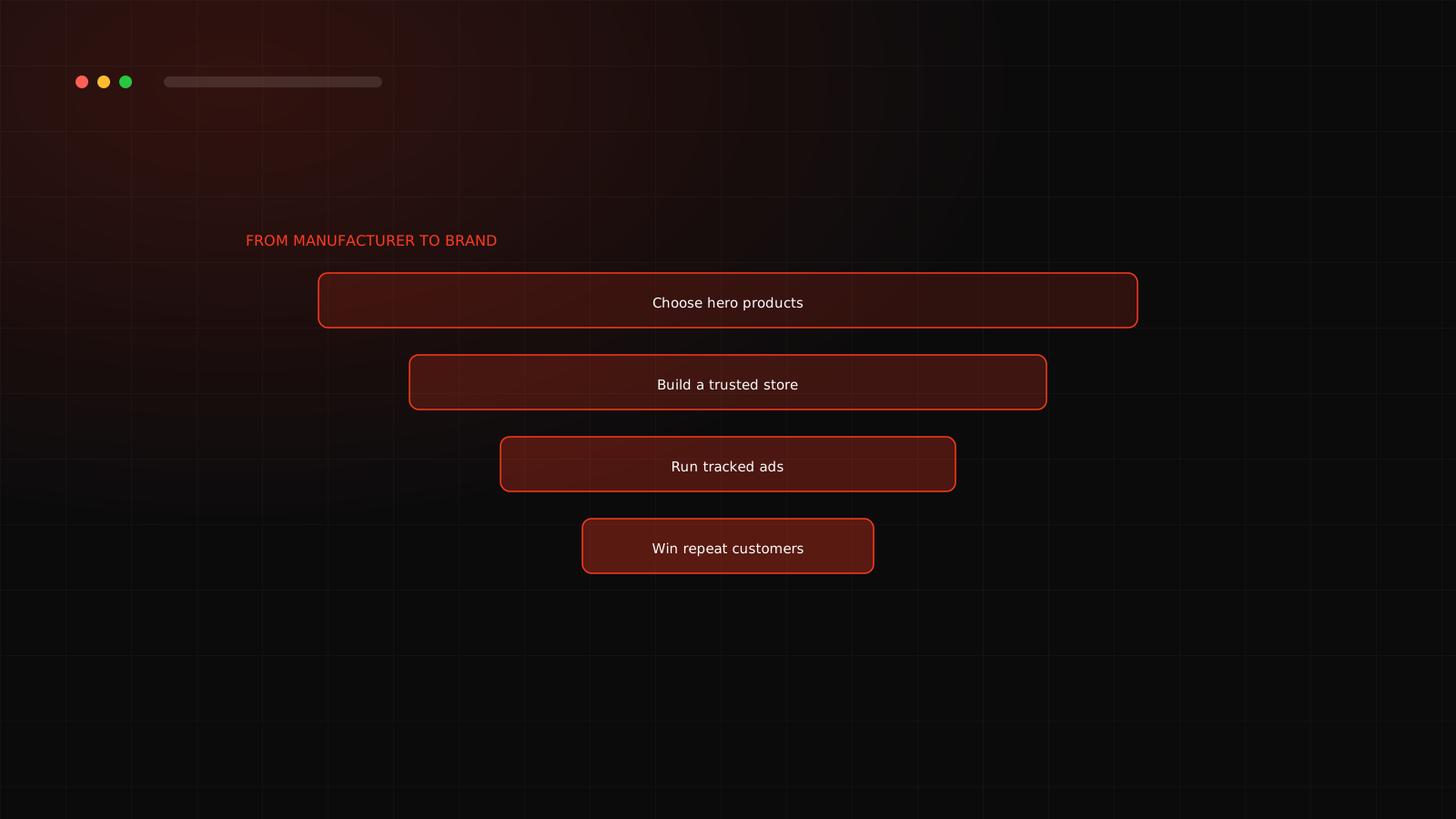
A simple plan
Which channels first
| Channel | Role |
|---|---|
| Meta Ads | Create demand for visual products such as clothing, jewellery and home goods |
| Google Ads | Capture people searching for what you sell |
| Marketplaces | Extra reach, with less control |
| SEO | Free, lasting traffic over time |
Mistakes we see
- Copying marketplace listings onto a store with no brand.
- Competing only on price against everyone.
- Ignoring cash on delivery returns. See COD returns and your profit.
- Running ads before tracking works.
- Expecting profit in the first month.
The first 90 days
Month one is setup and a small test. Month two is learning which products, offers and creatives work. Month three is scaling the winners and adding retention. See Meta Ads for new brands with no sales.
Need a local partner? See our ecommerce marketing agency in Surat and performance marketing agency in Surat.
Ready to turn manufacturing strength into a brand?
Send us your products. The free audit shows where to start.
Frequently asked questions
Yes. Many manufacturers and traders are building their own online brands to control price, margin and the customer relationship, rather than depending only on middlemen.
Start with a few hero products that photograph well, have a clear story and healthy margin, instead of listing the full catalogue.
Marketplaces give fast traffic but you do not own the customer. Most healthy brands use both and grow their own store over time.
It depends on products, store, photography and ad budget. A free audit can estimate a realistic starting budget for your case.