ChatGPT Ads vs Google Ads vs Meta Ads: Where Each One Actually Wins
Not a competition with one winner. A framework for which channel fits which stage of the buyer's decision.
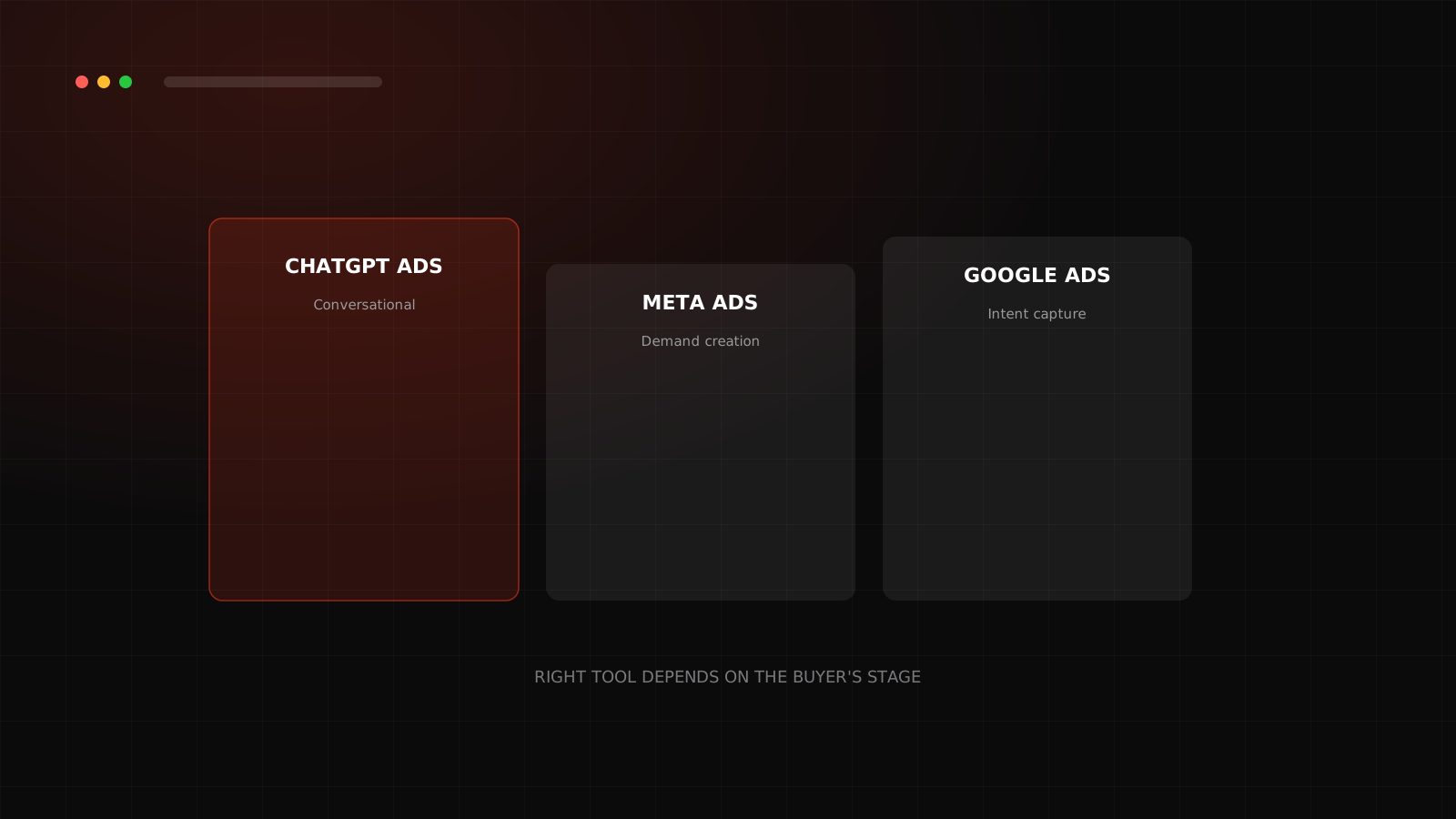
Every new ad platform gets compared to the incumbents, usually to declare a winner. That's the wrong question here. ChatGPT Ads, Google Ads and Meta Ads reach people at different points in a decision, and the honest comparison is about fit, not superiority.
The user's mindset is different on each platform
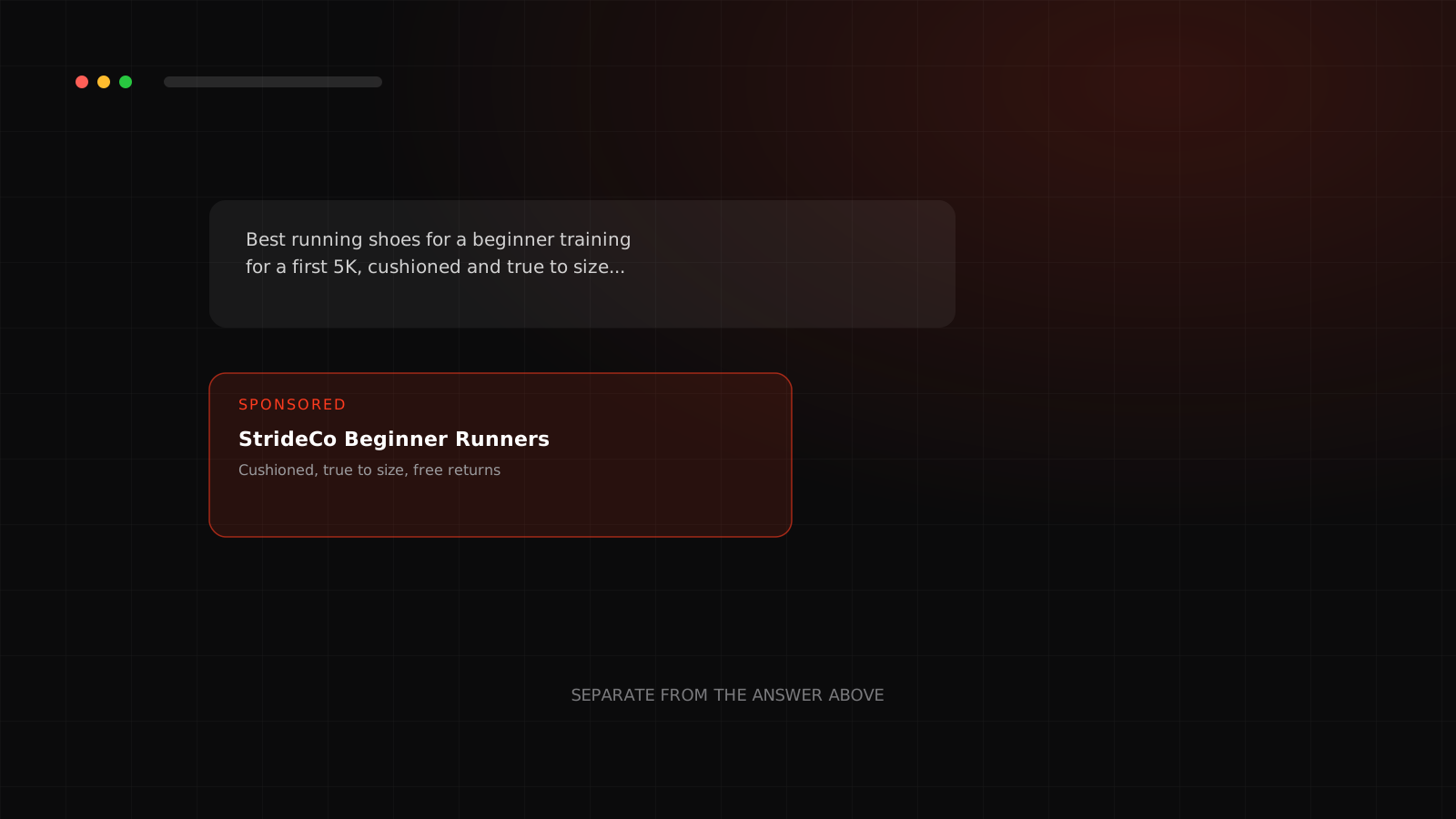
On Meta, someone is scrolling, not looking for anything specific; the ad has to interrupt and create desire from nothing. On Google, someone has already typed intent into a box; the ad captures demand that already exists. On ChatGPT, someone is mid-conversation, often already comparing options with the model's help, which puts the ad closer to a well-timed suggestion than an interruption.
Side by side
| Dimension | ChatGPT Ads | Meta Ads | Google Ads |
|---|---|---|---|
| User mindset | Researching, mid-conversation | Scrolling, low intent | Actively searching |
| Relevance signal | Conversation context + advertiser context hints | Interest and behavior targeting | Keyword match |
| Creative format | Title, copy, one image | Video, carousel, static | Text, Shopping feed, PMax assets |
| Pricing | CPM, CPC, oCPC | CPM, CPC, ROAS-bid | CPC, PMax value-bid |
| Market maturity, 2026 | Beta, 10 self-serve markets incl. India | Fully mature | Fully mature |
Where ChatGPT Ads has a real edge
Reaching someone while an AI system is actively helping them narrow down options, before they've settled on a shortlist. That moment doesn't exist on Meta or Google in the same form; it's closer to influencing a conversation than winning an auction on a static query.
Where Meta still wins
Creating demand for something a buyer didn't know they wanted, at a scale and creative flexibility ChatGPT Ads doesn't yet support: video, carousels, dynamic creative testing across dozens of variants a week.
Where Google still wins
Capturing existing, explicit intent at the exact moment someone is ready to transact, with Shopping and PMax infrastructure built over two decades that ChatGPT Ads has no equivalent of yet.
How to decide where to start
If your market has self-serve ChatGPT Ads access and your product involves real comparison shopping, it's worth a small test budget alongside existing channels, not instead of them. If your market doesn't have access yet, the honest move is to keep the budget in Meta and Google and build organic AI visibility in the meantime, which has no eligibility gate.
Not sure how to split the budget across channels?
We'll map it to where your actual buyers are deciding.
For the deeper mechanics of ChatGPT Ads pricing specifically, see how much ChatGPT Ads cost. If Meta and Google already make up most of your spend, this budget-split framework is a useful starting point before adding a third channel.