Meta Ads vs Google Ads for D2C Brands: How to Actually Split Your Budget
It isn't a competition between platforms. It's a sequencing question, and most D2C brands answer it in the wrong order.
Every few months a founder asks us some version of the same question: "should we be on Google Ads too?" Usually they're already running Meta, it's working reasonably well, and someone (an advisor, a competitor's brag post, a cold outreach email) has convinced them they're leaving money on the table by not being everywhere at once.
Sometimes they're right. More often, adding a second channel before the first one is actually working just means paying to run two mediocre accounts instead of one good one. The question isn't really "Meta or Google." It's a sequencing question, and getting the order wrong is the expensive mistake, not picking the "wrong" platform.
The core difference, and why it decides the order
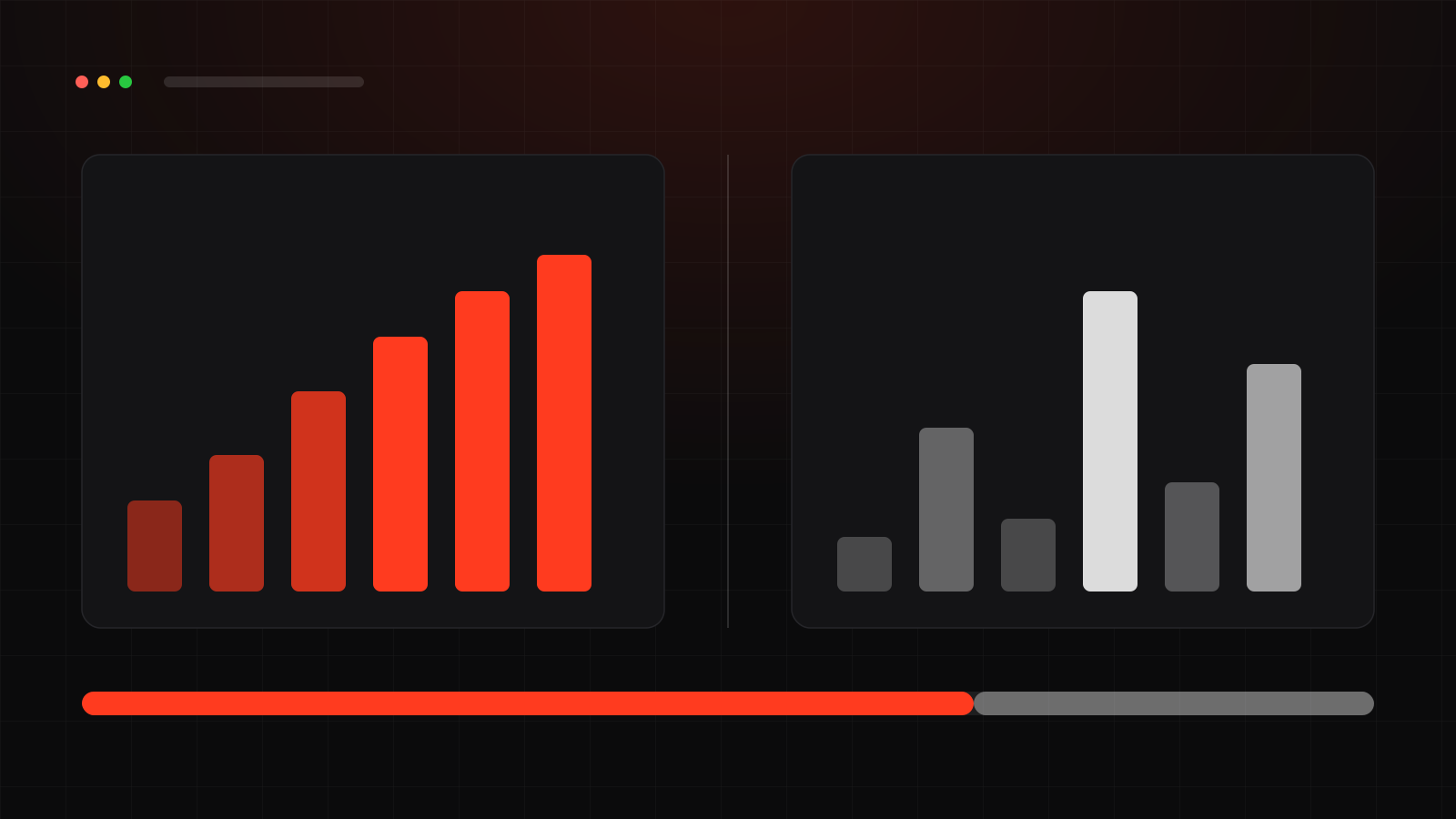
Meta creates demand. Google captures it. That's the whole distinction, and it explains almost everything else in this article.
Meta Ads
Interrupts someone who wasn't looking for you. Its job is to create desire from nothing: a scroll becomes a want. This only works with genuinely good creative, because there's no existing intent to lean on.
Google Ads
Captures someone already typing their intent into a search box. The demand already exists; the job is winning the moment somebody decides to act on it. This only works if there's search volume worth capturing in the first place.
That second sentence in the Google panel is the part founders miss. If almost nobody is searching for your brand or product category by name yet, Google Ads has very little intent to capture. You'd mostly be bidding on generic category terms against everyone else in it, at a much higher CPC than the demand Meta can create for the same rupee.
Which to run first as a new D2C brand
For most new D2C brands, Meta comes first. It's built for the situation you're actually in: nobody's searching for your brand yet, so there's nothing for Google to capture. Meta lets you manufacture the first wave of demand directly.
The signal that it's time to add Google isn't a calendar date, it's a number: branded search volume worth capturing. Once Meta has been running long enough that people are searching your brand name, your product category plus your brand, or coming back to finish a purchase they started, that's real intent Google can now win cheaply, often at a lower CPC than any other channel, because branded search has almost no competition bidding against you.
A practical starting split
There's no universal number here: category, AOV and consideration length all move it, but a workable starting point for a D2C brand that has just earned the right to run both channels looks something like this:
| Allocation | Channel & purpose |
|---|---|
| ~60–70% | Meta prospecting + retargeting (still the primary demand engine) |
| ~15–25% | Google Search on branded + high-intent category terms |
| ~10–15% | Google Shopping / Performance Max, once product feed data is clean |
Visual, discovery-led categories (fashion, beauty, home) tend to sit toward the Meta-heavy end of that range. Higher-consideration or comparison-shopped categories, where people research before buying, can justify shifting more toward Google sooner. Either way, resist the instinct to split evenly just because it feels fair. A 50/50 split usually means neither channel gets enough budget to actually compound.
What this looked like on two real accounts
A fine jewellery brand we work with had a Shopping feed actively working against high-intent buyers: generic titles, no GTINs, one catch-all campaign losing "gold vermeil evil eye pendant"-type searches to marketplaces with worse product. We rebuilt the feed attribute by attribute and let Meta run as the desire engine on top, retargeting collection films against people who'd already visited from Search. Eight months in: 4.8x blended ROAS and AOV up 26%, because the ads were now pre-selling the premium tier before the click even landed.
A women's saree brand ran the opposite balance for its category: Meta creating visual desire around drape and occasion, Google Search capturing people who already knew what they wanted, with the highest-margin products promoted specifically through Search. Five months in: 4.2x blended ROAS and CAC down 34%.
Neither account got there by splitting budget evenly on day one. Both earned the second channel once the first one had already proven what worked.
Signs you added the second channel too early
- Your Google account is mostly bidding on generic, unbranded category terms at a CPC that makes the math worse than Meta, not better.
- Nobody's searching your brand name yet, check before you assume otherwise.
- Your product feed isn't clean, so Shopping and PMax are learning from bad data instead of good signal.
- You're managing two mediocre accounts instead of one that's actually been given enough budget and attention to compound.
If two or more of those are true, the fix usually isn't "try harder at both." It's narrowing back to one channel until it's genuinely working, then adding the second on purpose instead of on pressure.
Not sure which channel deserves the next rupee?
We'll look at your actual search volume, feed health and Meta performance before recommending where budget goes next, not just "run both."
If Meta is the channel that isn't pulling its weight yet, start with the diagnostic in why your Meta Ads aren't converting before you decide the problem is the platform mix. And if the account is converting but creative keeps sliding, that's usually fatigue, not a channel problem. If a third channel is on the table, here's where ChatGPT Ads actually fits next to these two, and where it doesn't yet.