Preparing Your Website for AI Crawlers: A Technical Checklist
The foundation both ChatGPT Ads landing pages and organic AI visibility depend on, and the easiest thing to get wrong.
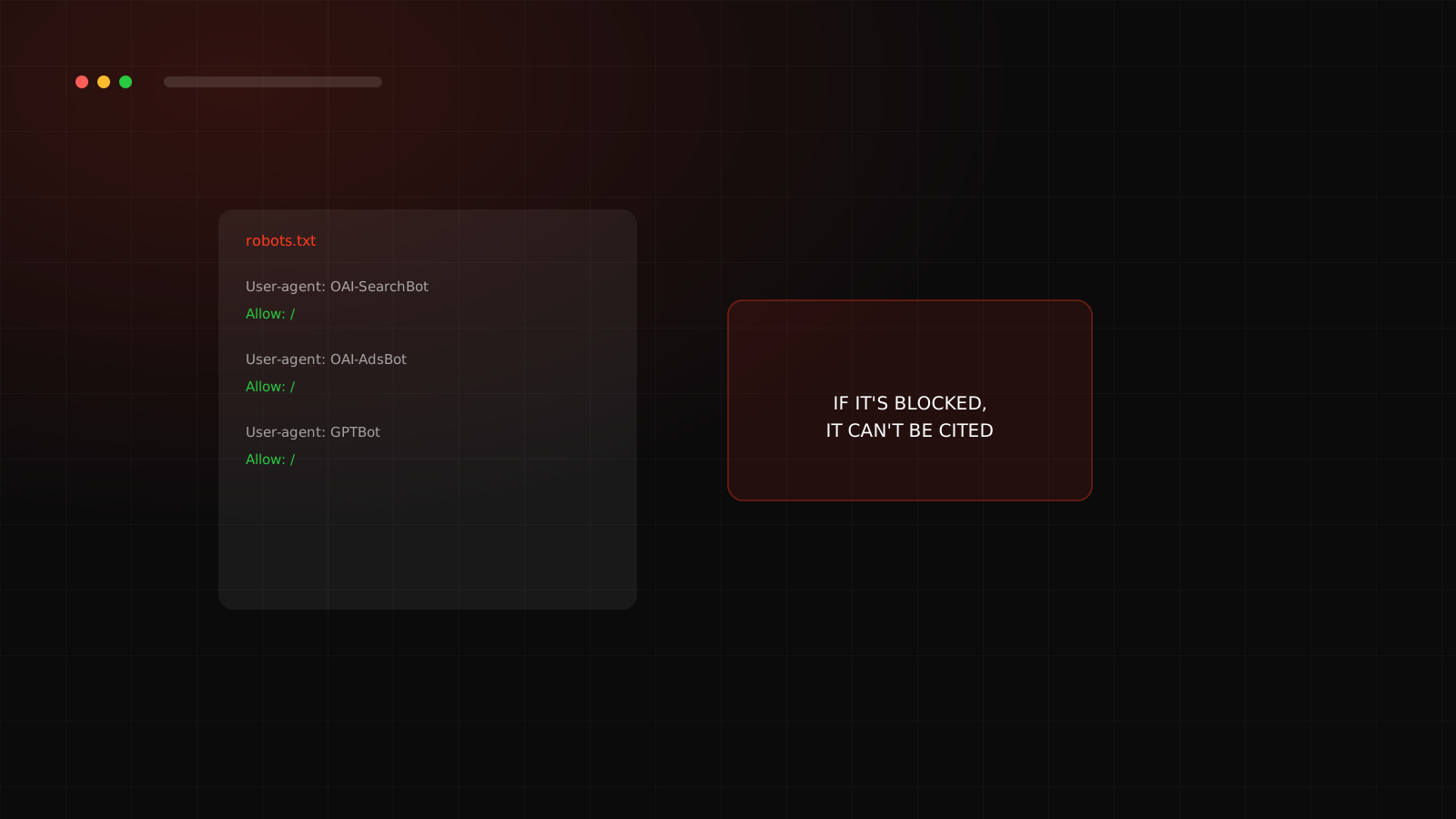
A page can be perfectly written and still be invisible to AI systems, for one boring reason: something is blocking the bot that would have retrieved it. This is the least glamorous part of AI search work, and the most consequential.
Why this comes before anything else
Every downstream tactic, entity clarity, structured content, external authority, assumes an AI system can actually reach the page. If it can't, none of the rest matters. This is also a literal requirement for ChatGPT Ads specifically: OpenAI's advertiser guidance states landing pages must not block OAI-AdsBot or OAI-SearchBot, or the ad itself becomes ineligible to run properly.
The crawlers actually worth checking for
| Crawler | Purpose |
|---|---|
| OAI-SearchBot | Retrieves content for ChatGPT's search and browsing features |
| OAI-AdsBot | Accesses landing pages linked from ChatGPT Ads |
| GPTBot | OpenAI's general crawler; widely documented, respects robots.txt opt-out |
Other AI systems run their own crawlers with their own user-agent names. The principle is the same regardless of which one: if a brand wants AI visibility, blocking these bots defeats the purpose.
A short technical checklist
How to actually verify access
Request the page directly using the specific crawler's user-agent string and confirm the response matches what a human visitor sees, not a blocked or degraded response. This is a five-minute technical check that most sites have never run.
Why this needs re-checking, not a one-time fix
Crawler access isn't a setting that stays fixed once verified. A CDN configuration change, a new bot-management rule added for an unrelated security reason, or a hosting migration can silently re-block a crawler that was working fine the week before. The brands that stay visible are the ones treating this as a recurring check, not a box ticked once during setup.
Want this checked properly, not assumed?
We audit crawler access as step one, before any content work.
This same access requirement is one of the most-skipped items in the ChatGPT Ads readiness checklist. And it's the foundation the citation research in how brands get cited in AI search actually depends on.