Digital PR and Link Building on a Bootstrapped Budget
You don't need a PR retainer to earn links that matter. You need one asset worth writing about.
Link building has a reputation problem in D2C circles, mostly earned by a decade of spammy guest post networks and paid link farms that Google has gotten steadily better at discounting. The version that still works in 2026 looks different, and it does not require a retainer that only a funded brand can afford.
Digital PR vs traditional outreach
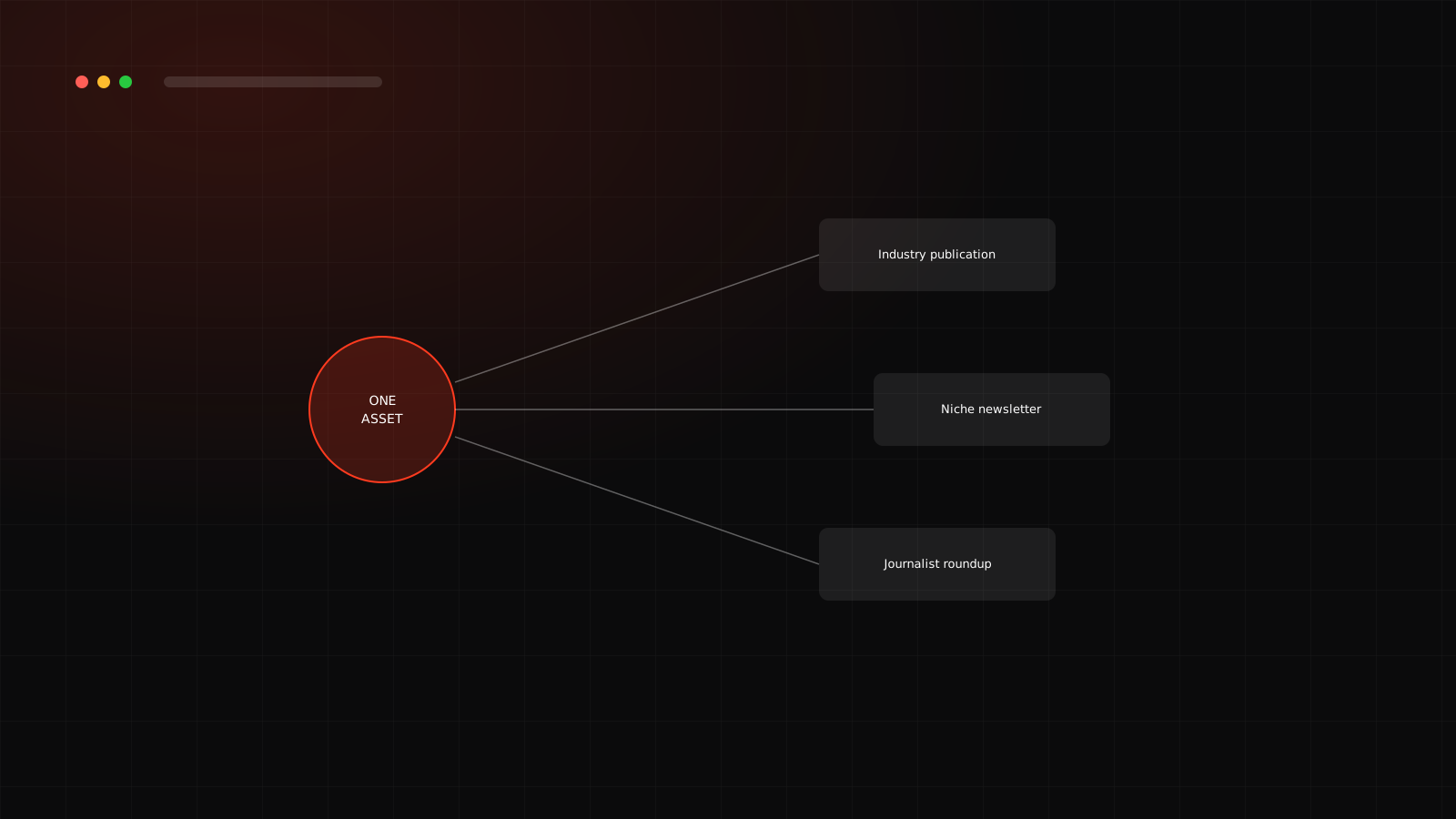
Traditional link building is direct outreach: emailing webmasters and bloggers asking for a link, typically earning one placement per successful contact, at a cost in time that scales roughly linearly with the number of links wanted. Digital PR flips the mechanism. Instead of asking for a link, it creates something genuinely compelling, an original dataset, a real survey, a useful free tool, that publications want to write about on their own initiative. One well-executed campaign can generate multiple high-authority placements, because the coverage is earned by the asset's own merit rather than negotiated one contact at a time.
Why it fits ecommerce specifically
Ecommerce link building runs into a structural problem traditional outreach never solves well: nobody links to a product page for its own sake. Digital PR works around this by building the authority on a content asset first, then routing that link equity to product and category pages through the site's own internal linking. Editorial mentions also do double duty in 2026 that they did not before: the same brand mentions that build domain-wide authority are exactly the kind of signal AI search systems draw on when deciding what to recommend, which makes this a compounding investment rather than a one-time SEO tactic.
The one-asset approach on a small budget
Newer domains in particular tend to benefit more from this kind of early, deliberate link building, since foundational authority compounds: the earlier a domain earns a few genuinely strong placements, the faster everything published afterward tends to rank.
Measuring it properly
A complete measurement framework tracks the average domain rating of earned placements, organic traffic growth to the pages being linked to, referral traffic from the coverage itself, movement in branded search volume, and keyword ranking improvement on the target pages. A single link from a genuinely high-authority publication is worth meaningfully more than a large volume of low-authority ones, which is the opposite of how link building used to be measured by raw count alone.
Have data worth turning into a real digital PR asset?
We help find the angle and build the pitch, not just chase links.
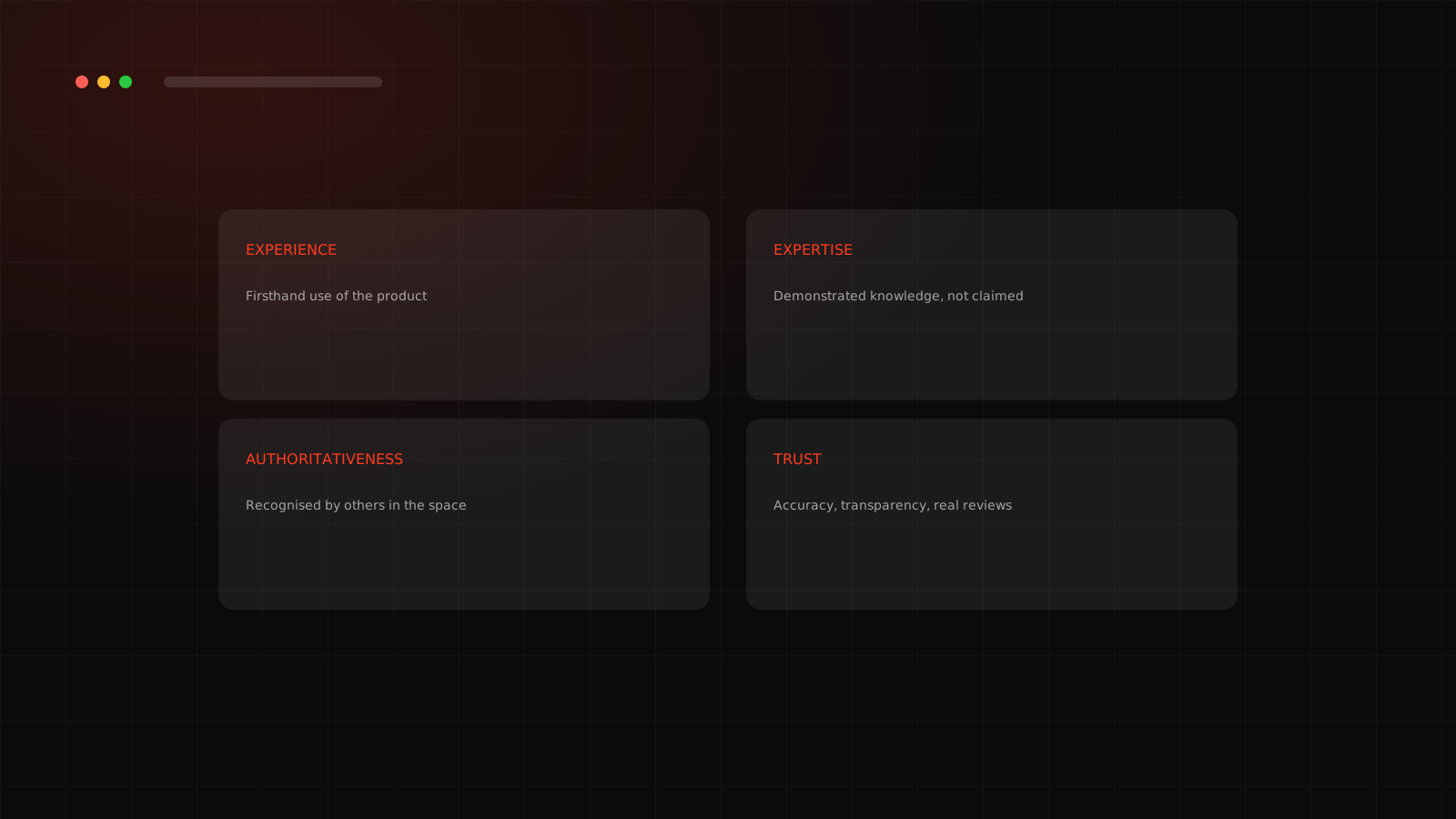
Earned coverage is one of the outside recognition signals covered in E-E-A-T for D2C brands, and it compounds fastest when a brand is also building deliberate local presence, covered in the multi-city expansion playbook.
Frequently asked questions
Traditional link building relies on direct outreach to individual webmasters, typically earning one link per successful contact. Digital PR creates an asset, a study, data, a genuinely useful tool, compelling enough that publications seek it out themselves, often generating multiple high-authority placements from a single campaign.
Often yes, because it does not require a large retainer to work. One well-built asset, a real dataset, an original survey, a useful free tool, can earn coverage on its own if it is genuinely useful, without needing a large ongoing outreach team.
Beyond raw link count: the average domain rating of earned placements, organic traffic growth to the pages that asset links to, referral traffic, changes in branded search volume, and increasingly, how often the brand gets cited in AI-generated answers, which is now tracked as its own KPI.