Local SEO for Multi-City Expansion: Surat First, India Next
The city-by-city playbook for Indian D2C and B2B brands that outgrow a single-city footprint.
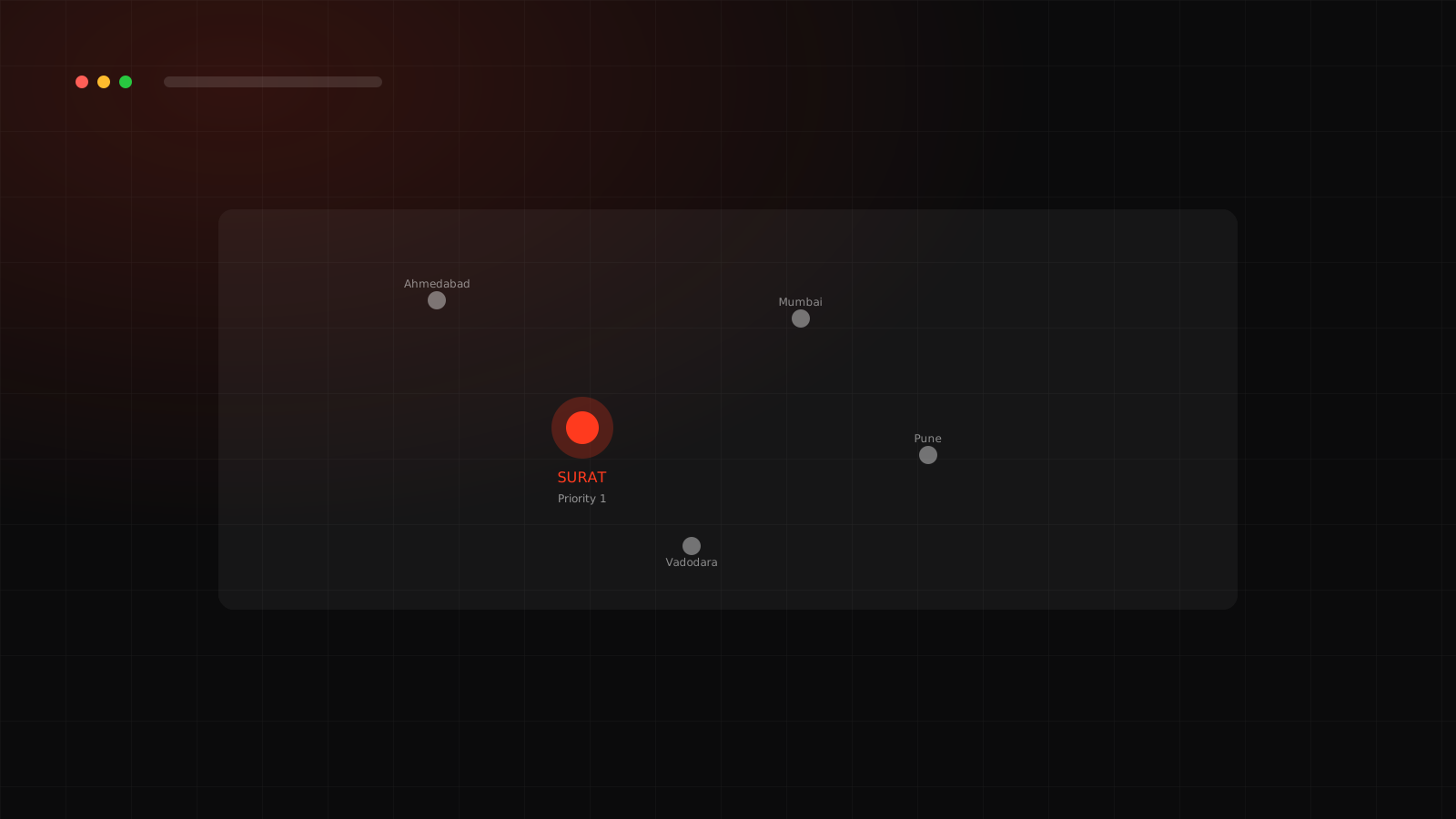
We built this exact strategy for our own site: Surat first, pan-India second. Not because Surat is the biggest market available, but because a smaller market won properly builds the template, the reviews and the local signal that make expanding to the next city faster and cheaper than starting cold everywhere at once.
The shortcut that does not work
The most common mistake in multi-city local SEO is treating it as a find-and-replace exercise: one location page, duplicated for every city, with only the city name swapped. It does not work, and it has not worked for a while. A page like that shows no genuine familiarity with the second city, and both users and Google can tell the difference between a page written for a place and a page written for anywhere with the city name inserted.
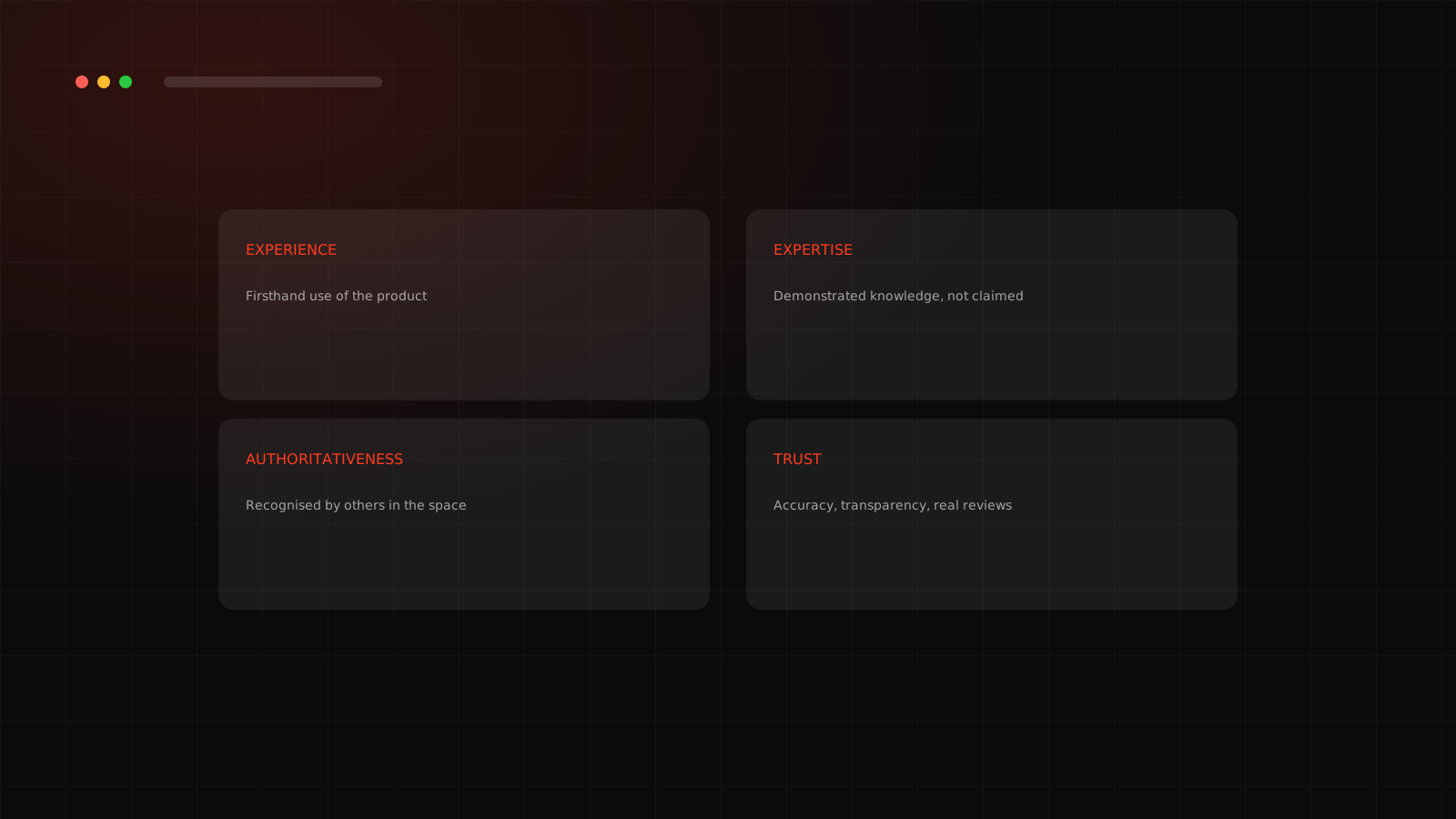
The five pillars, done for real
Why the order of cities matters
The overarching goal can be pan-India, or even global, while the execution still needs a first city that gets done properly before a second one starts. We built our own local schema, address and area-served structure around Surat specifically first: full PostalAddress with the correct region, real GeoCoordinates, and an areaServed list that names Surat and Gujarat explicitly before broadening to India and Global. That is the template. Expanding to a second city means repeating that same specificity, not reusing the same paragraph with a new city name dropped in.
LocalBusiness entity with a real City, AdministrativeArea and Country structured as separate entities in areaServed, not just a flat string like "India." Search engines can parse the structured version far more reliably than free text.Google Business Profile in 2026
Verification for each location's Google Business Profile has become more stringent in 2026, and each location genuinely needs its own separately verified profile rather than one shared listing stretched across service areas. A profile that feels inactive, stale hours, no recent photos, unanswered reviews, tends to underperform even with technically correct information, because "complete" and "active" are being read as two different signals.
Expanding city by city and want the template built right the first time?
We build the local schema and content structure before touching ad spend.
Local content still needs the same underlying discipline as any other content: paid queries turned into an organic roadmap works exactly as well for a second city as it does for a first one.
Frequently asked questions
Optimizing so that every individual physical location of a business ranks well in its own local search results, typically through a dedicated location page and a separately verified Google Business Profile for each city, rather than one generic page trying to rank everywhere.
No, and this is the most common mistake. Identical pages with a swapped city name rarely rank, because they show no genuine local relevance. A page needs to describe the specific area, the local audience, and what makes that location actually relevant to that community.
Concentrating signal, reviews, citations and content in one city first builds a stronger, more defensible local presence than spreading thin across several cities at once, and gives a template that has actually been proven before it gets repeated elsewhere.