What Is LLM SEO? (And What It Actually Isn't)
A category that gets sold as a hack. Here's a more honest definition, and what genuinely falls inside it.
LLM SEO gets pitched two ways right now: as a rebrand of ordinary SEO with an AI label stapled on, or as a set of hacks that promise citations no one can actually guarantee. Neither is accurate. Here's a more useful definition.
A working definition
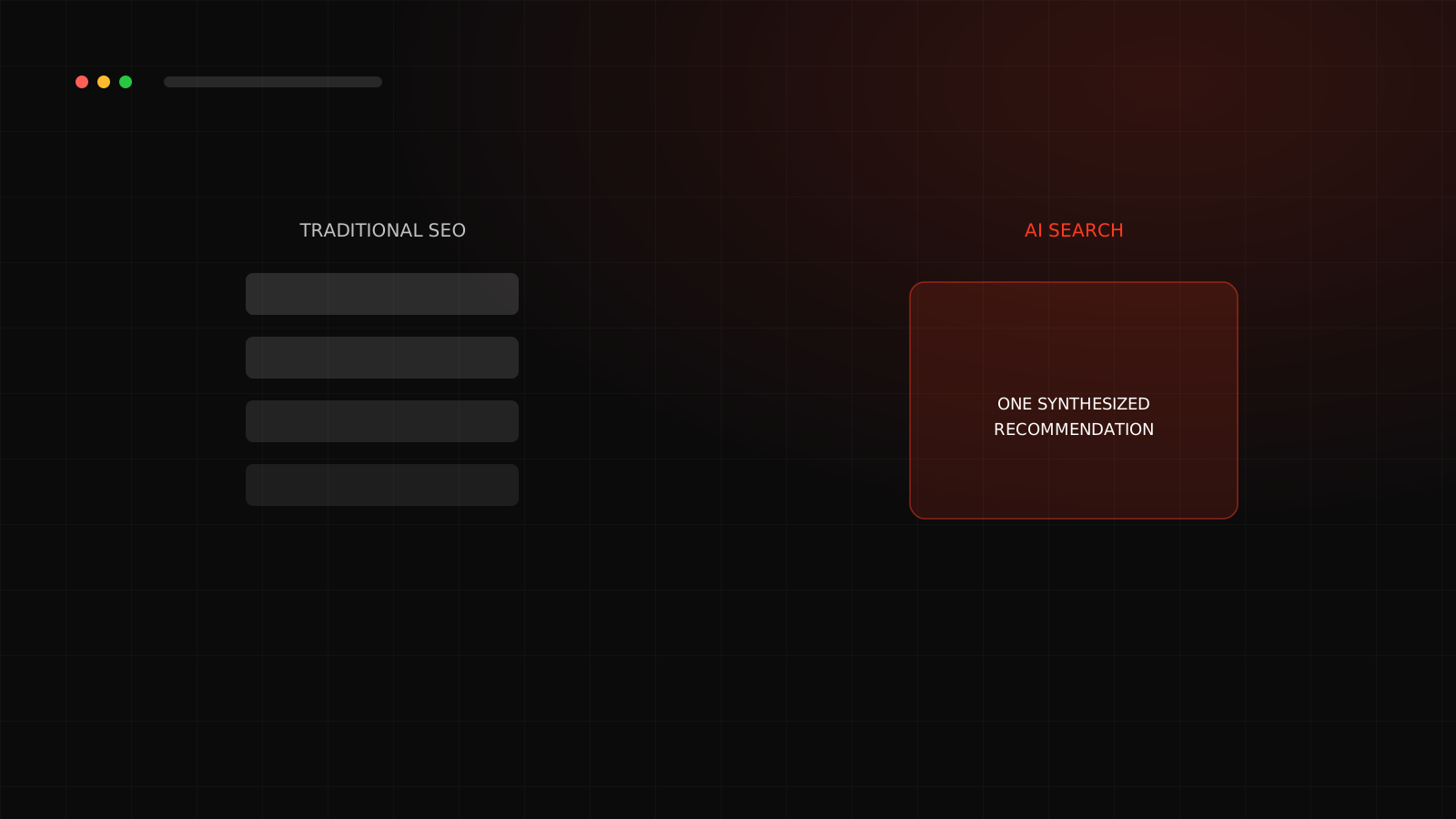
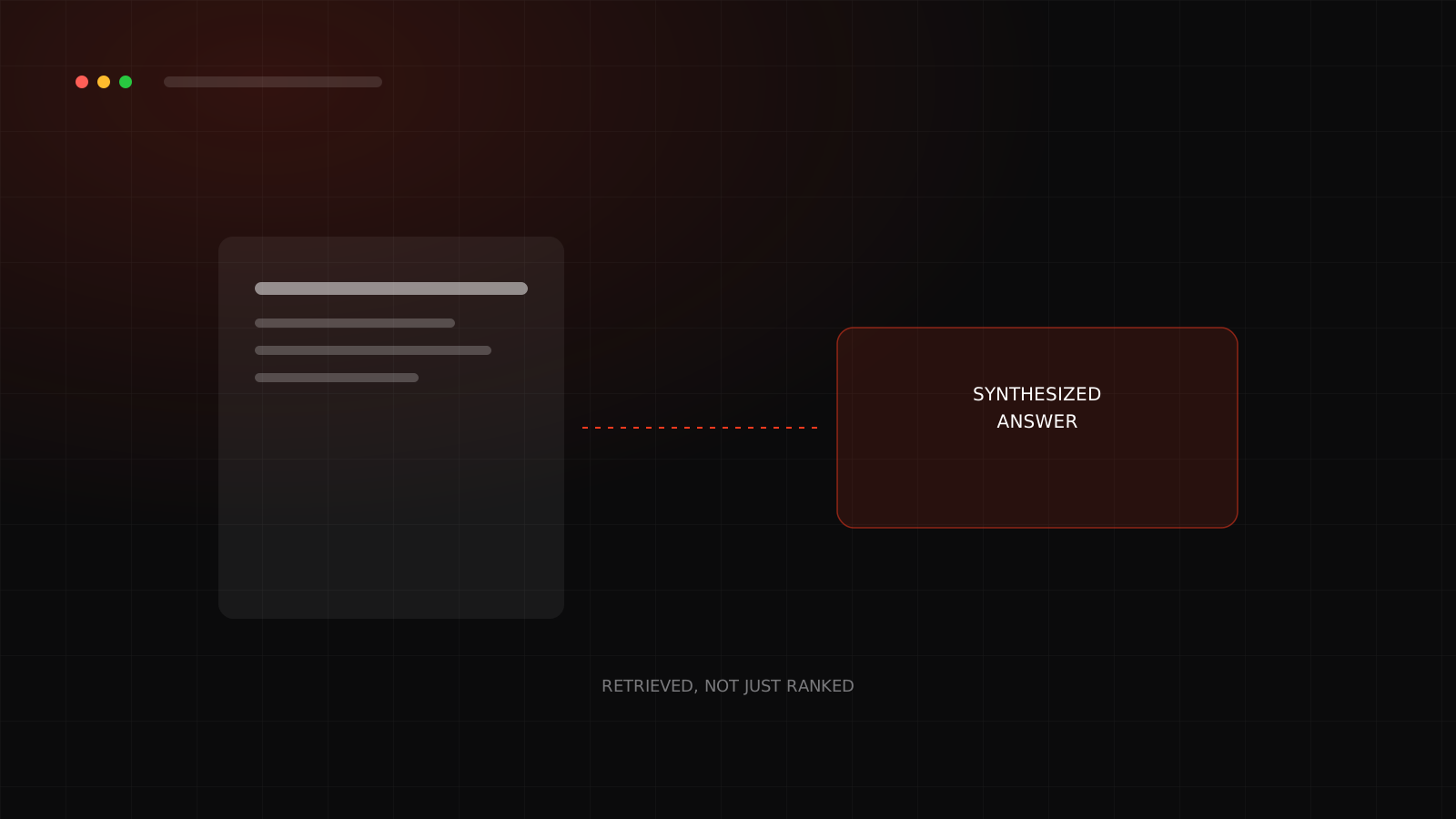
LLM SEO, sometimes called AI search optimization or generative engine optimization, is the practice of making content easier for AI systems to retrieve, understand and cite inside a synthesized answer. That's different from traditional SEO's goal, which is ranking in a list of links a human then clicks through. The end product an AI system produces is a written recommendation, not a results page, and that changes what "optimized" even means.
What it isn't
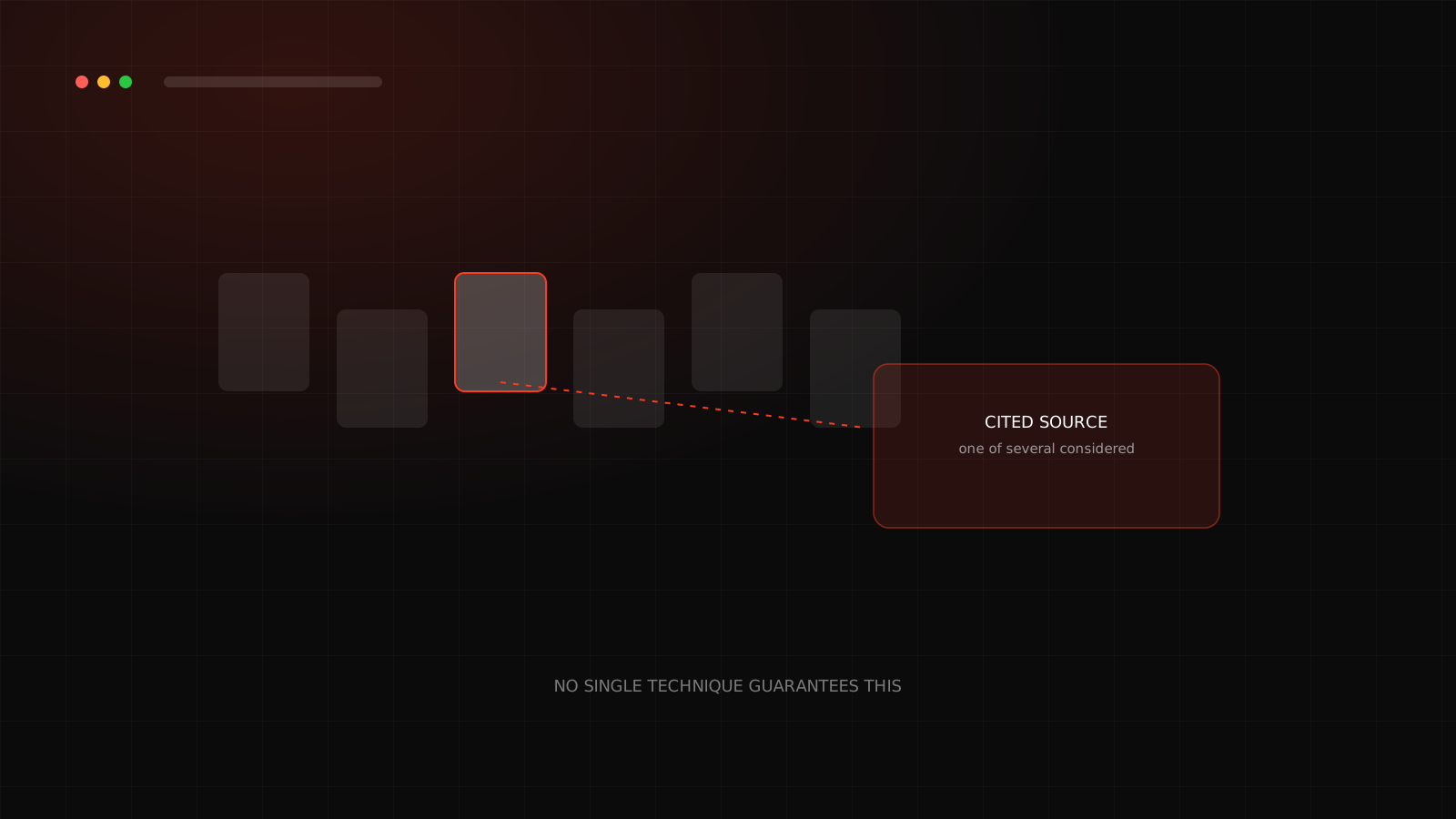
It isn't a guarantee of citation. A 2026 academic survey reviewing 45 studies on generative engine optimization found no reviewed technique with a stable, cross-platform, causal effect on organic discoverability, and warned that citation-focused rewrites can sometimes hurt retrieval instead of helping it. Any agency selling "get cited by ChatGPT" as a deliverable is selling something the current research doesn't support.
What actually falls inside the category
Four things, none of them exotic:
- Entity clarity, whether it's obvious who you are, what you sell and who it's for, consistently across your site and external mentions
- Structured, citable content, direct answers near the top of a page, specific claims instead of vague ones, clean headings AI systems can extract from
- External authority, reviews, press and third-party mentions that corroborate what a brand says about itself
- Technical crawler access, making sure AI retrieval bots can actually reach the pages that matter
Why this looks a lot like fundamentals
Because it is. The same academic survey identified topical relevance and context position as the most reproducible levers available, and both are closer to "write clearly and be easy to find" than to any secret technique. That's not a disappointing conclusion, it's a useful one: it means the work is available to any brand willing to do it properly, not gated behind a proprietary hack.
Where to actually start
An audit of what AI systems currently say about your brand, or don't say at all, followed by fixing crawler access before anything else, since a blocked page can't be cited no matter how well it's written. Content structure and external authority work come after that foundation is confirmed solid.
Want an honest audit, not a hack list?
We'll show you what's fixable now and what's genuinely unknown.
For how this differs from what you're likely already doing, see LLM SEO vs traditional SEO. For what the research actually found about citation, read how brands get cited in AI search.