How to Brief a UGC Creator Like a Media Buyer
"Make something that feels natural" isn't a brief, it's a hope. Here's what to specify instead.
Most UGC briefs describe a video. A media buyer's brief describes a test. That difference sounds small and changes almost everything about what a creator receives, what they film, and whether the footage that comes back is actually usable for paid media, not just nice to look at.
Start with the objective, not the video
Before scripting anything, name what this specific creative is testing: a new hook against a proven one, a different objection being addressed, a new angle for a product that's fatigued its old creative. A brief that starts with "we need a video about the product" produces content. A brief that starts with "we're testing whether a problem-first hook beats a product-first hook" produces a media asset with a job to do.
Audience and awareness level
Specify who this is actually for, and how much they already know. A cold, problem-aware audience needs the creator to name the problem before the product ever appears. A warmer, product-aware audience already knows what you sell and needs a reason this time is different: a new use case, an objection finally addressed, social proof they haven't seen. The same product filmed for these two audiences should look and sound like different ads, because they're doing different jobs.
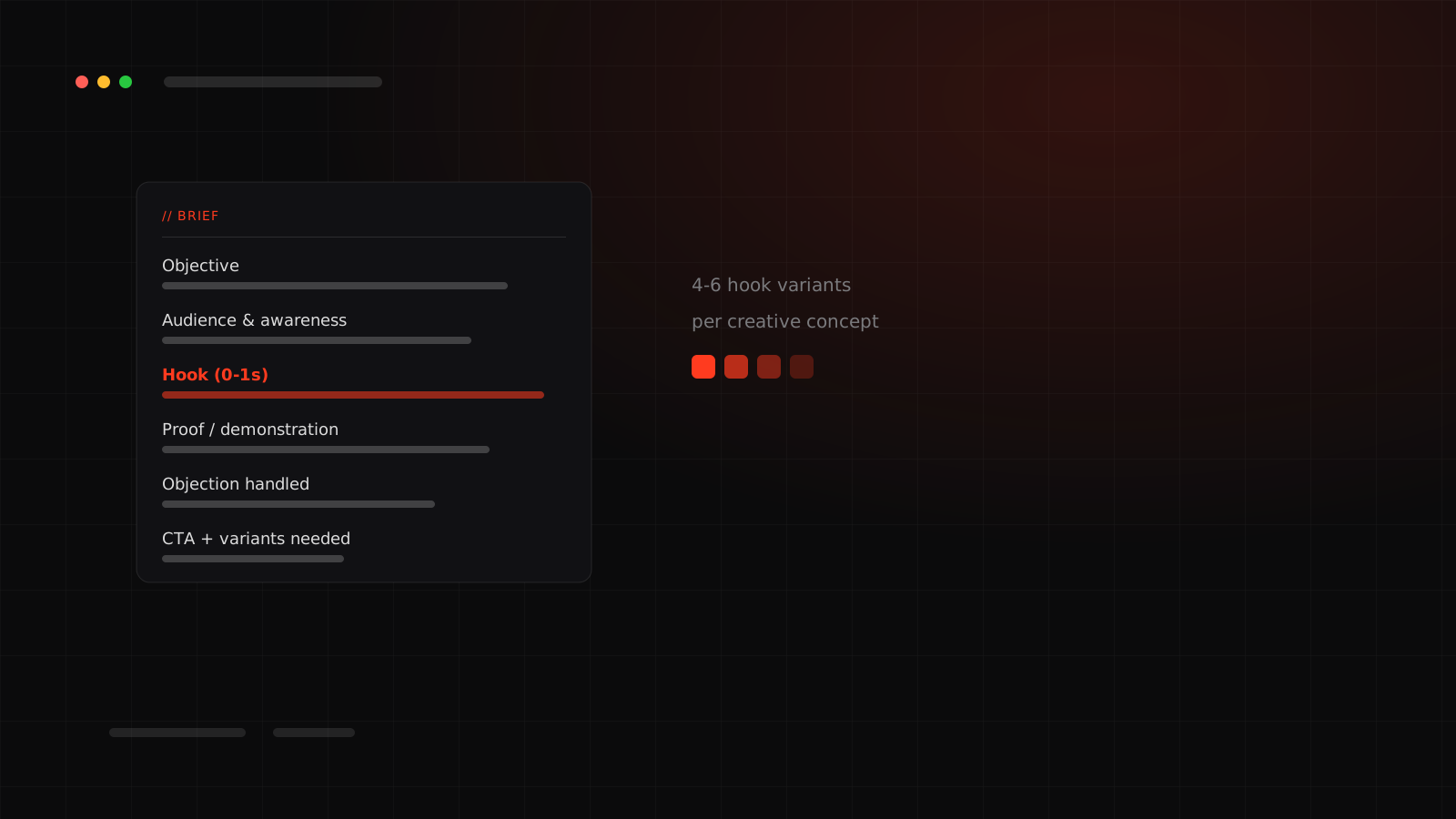
The brief skeleton: hook, problem, proof, objection, CTA
A usable UGC brief specifies each of these, even briefly:
What to specify, and what to leave to the creator
Specify the structure above, the setting (real home, not a studio), and anything that must legally or factually be accurate. Leave the exact wording, delivery and personality to the creator, that's what makes it read as a recommendation instead of a script being performed. Over-directing dialogue is one of the fastest ways to make UGC stop looking like UGC.
Building variations into the brief from day one
Ask for hook variations in the same brief, not as a follow-up request after the first cut disappoints. Four to six different opening lines against the same core video, shot in the same session, costs a fraction of what a second shoot costs and is exactly the raw material a real testing cadence needs to keep feeding an account. A brief that only asks for one version of everything isn't set up to survive contact with an ad account.
What a media buyer actually needs back
Raw, unedited footage in addition to the final cut, so hooks and cuts can be re-tested without a reshoot. Vertical framing shot for the actual placement, not a horizontal video cropped after the fact. And a usage-rights agreement settled before the shoot, not negotiated after footage the brand actually wants to run is already sitting on someone's phone.
Common briefing mistakes
Asking for "something that feels authentic" without saying what problem the video is meant to solve. Briefing one script with no hook variations, then being surprised when it fatigues in three weeks. Casting on follower count instead of whether the creator actually looks like the buyer. And treating the brief as a one-time document instead of a living spec that gets sharper after every round of results.
Want your briefs built around what actually gets tested?
We script, cast and edit UGC around the same testing pipeline that runs your Meta Ads account.
Once the footage exists, the real work is keeping it fresh. We cover the testing cadence itself in how to catch creative fatigue before ROAS notices.