The Best Meta Ads Campaign Structure for D2C Brands
A simple, tested Meta Ads campaign structure for D2C brands: one place to test creative, one place to scale winners, and far fewer ad sets.
The problem with complicated structures
Many accounts are built with dozens of ad sets, each targeting a different interest. It looks organized, but each ad set gets a tiny slice of budget and almost no data. Meta cannot learn, and neither can you.
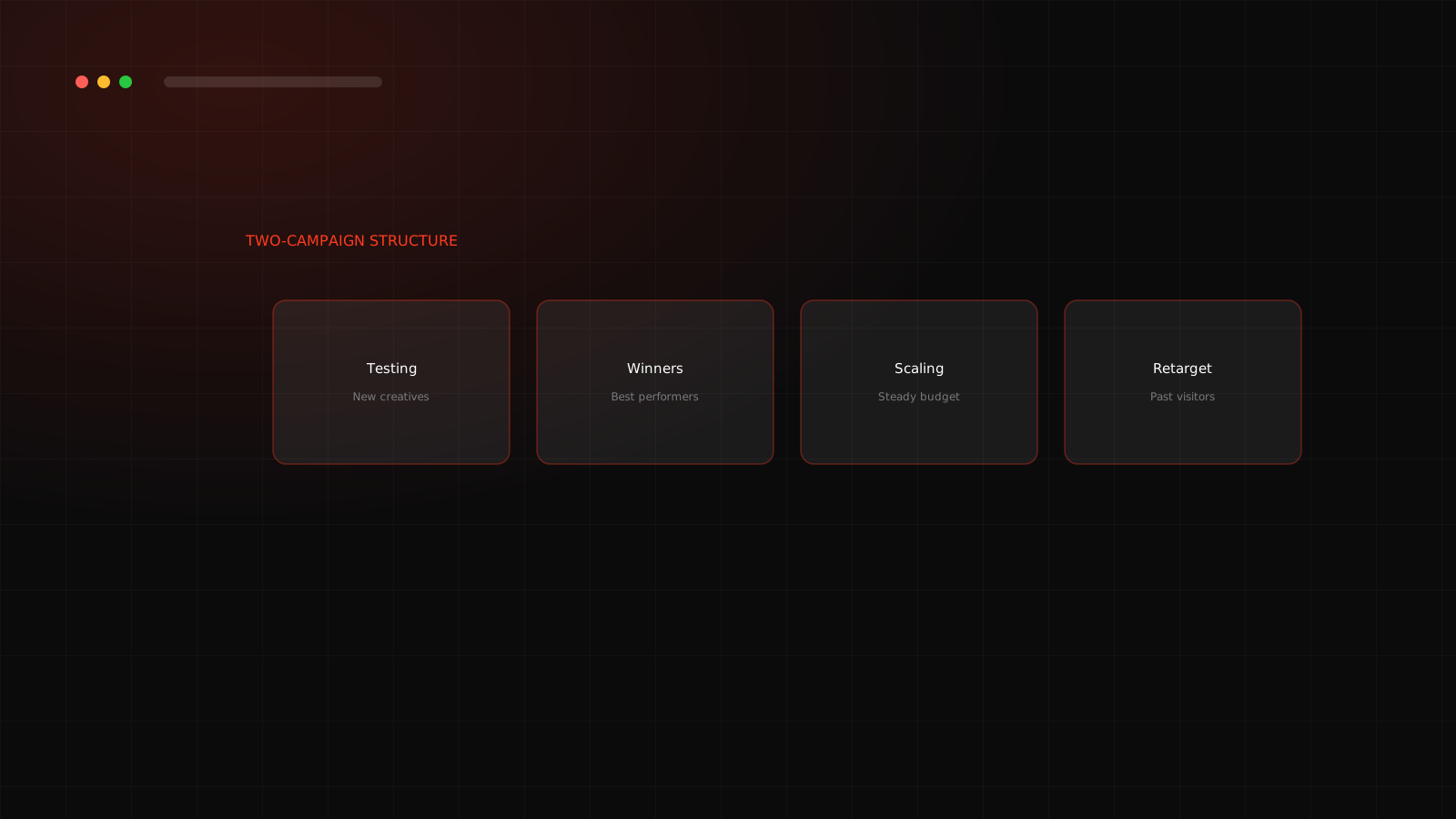
A simple structure that works
How to test properly
Change one thing at a time. If you change the hook, the offer and the audience together, you will not know what caused the difference. A good test compares a few creatives that differ in one clear way, such as the first three seconds of the video.
Name everything clearly
Use names that tell you what the ad is, for example date, product, angle and format. In three months, good names are the difference between learning from your past tests and repeating them.
Simple budget rules
- Keep testing budget steady, enough to get a read in about a week.
- Raise scaling budget by modest steps, not big jumps.
- Never judge an ad on one day of results.
- Turn off clear losers, but give ads enough data first.
Meta now also offers automated campaigns. Read Advantage+ sales campaigns explained to see where they fit, and how to scale without losing ROAS. Want a team to run this for you? See our Meta Ads agency service in Surat.
A sample first-month plan
| Week | What you do |
|---|---|
| Week 1 | Launch the testing campaign with four creatives that differ in the first three seconds |
| Week 2 | Leave it alone. Read results at the end of the week, not each morning |
| Week 3 | Turn off clear losers, make two new versions of the best one |
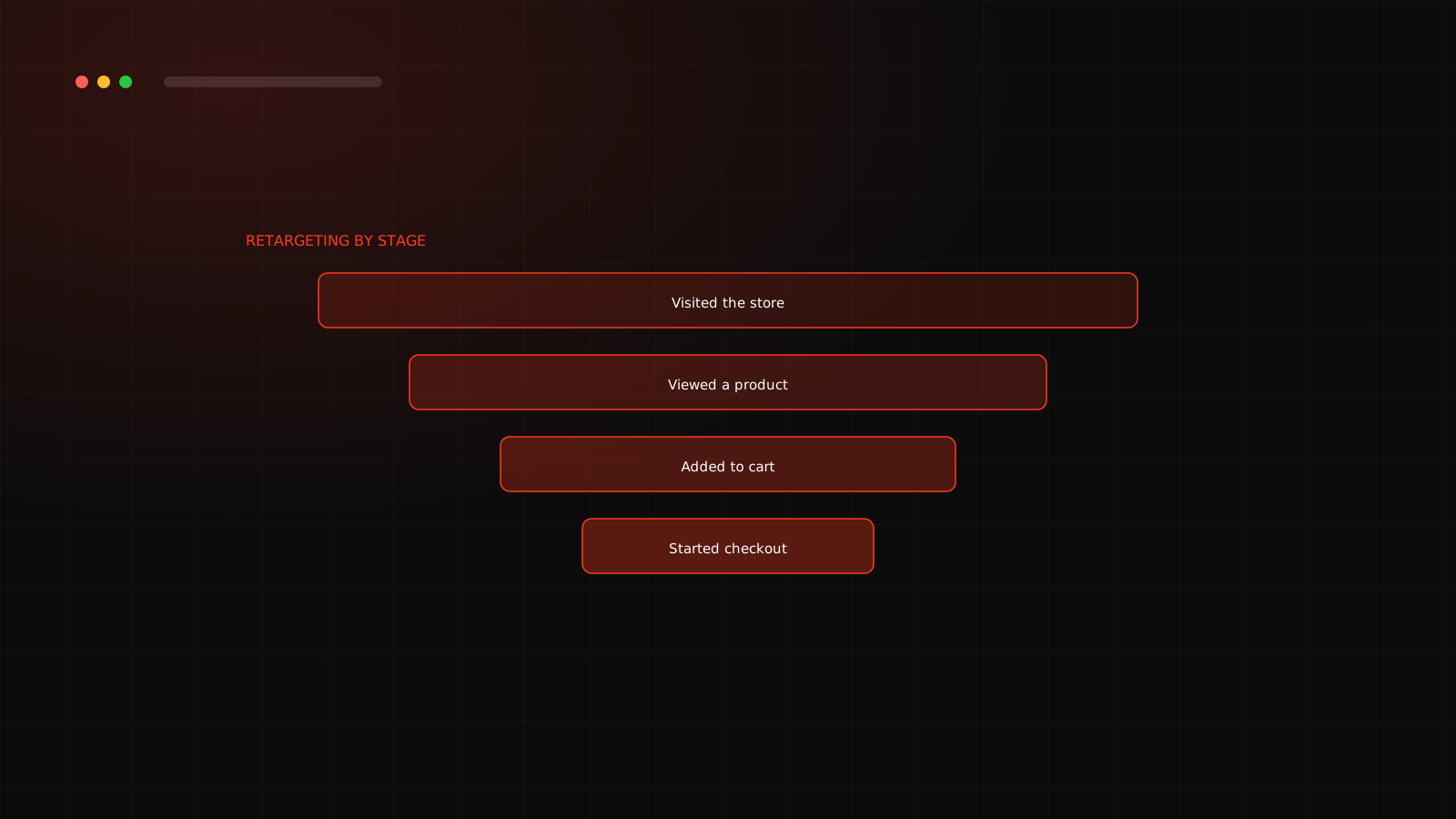
| Week 4 | Move the best ad to the scaling campaign and start retargeting |
This rhythm keeps changes calm and gives each test enough time. Write down what you learn each week. After three months, that notebook is more valuable than any single winning ad.
Is your account structure holding results back?
We review it in the free audit and tell you what to simplify.
Frequently asked questions
Two or three is usually enough: a testing campaign, a scaling campaign and, once you have traffic, a retargeting campaign.
Around three to five creatives is a good test size. More than that spreads results too thin.
Usually not. Too many small ad sets starve each other of data. Broad targeting with strong creative often performs better.
When it keeps a healthy cost per purchase over several days with enough orders to trust the result.