Meta Ads for Beauty Brands in 2026: The Personal Attributes Trap Nobody Talks About
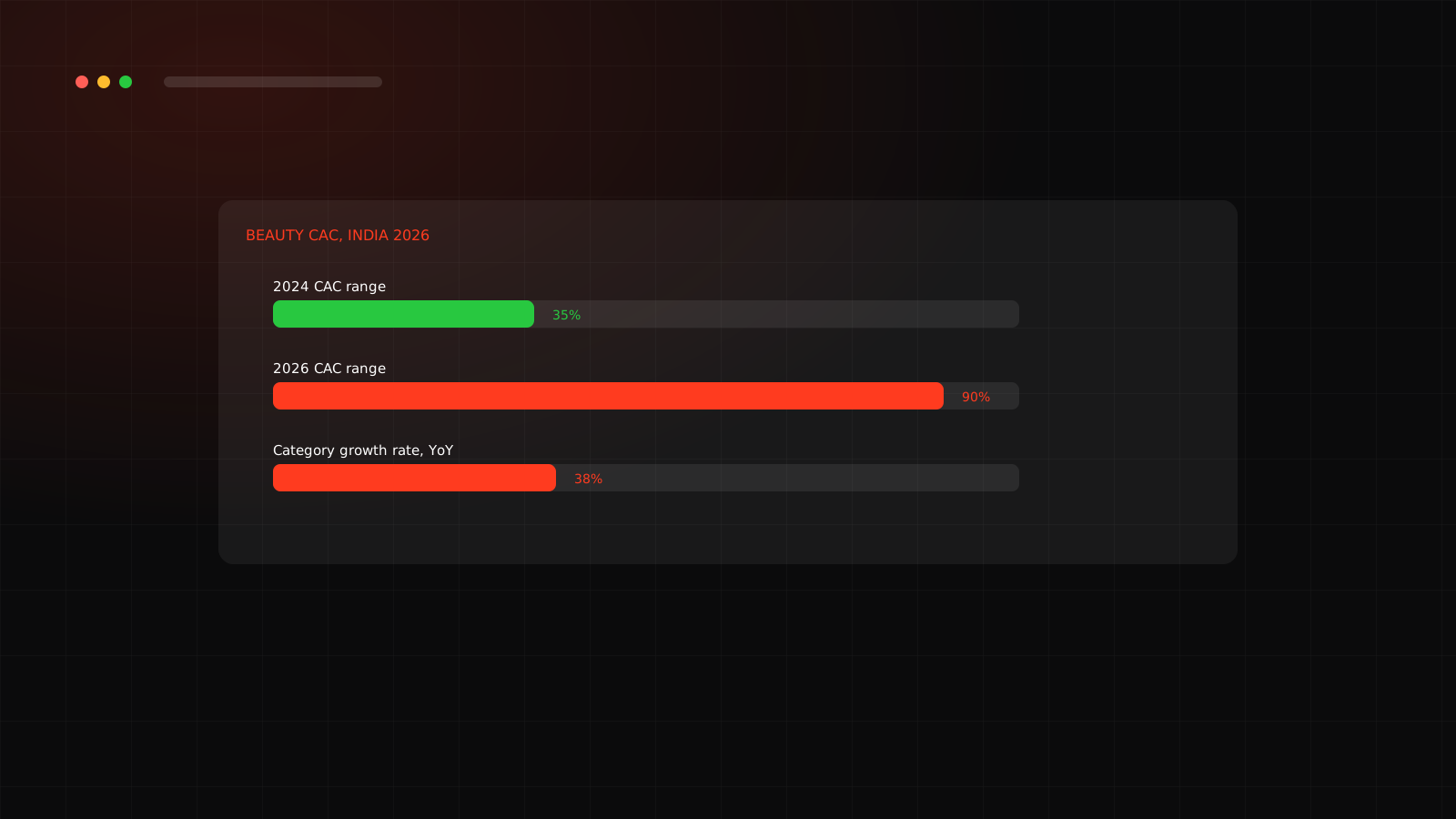
India's beauty D2C market is growing 35-40% a year. Meta's expanded personal attributes policy is quietly rejecting more ads inside it than anyone admits.

India's beauty and personal care D2C market is one of the fastest-growing consumer categories in the country, estimated at $4.5 to 5 billion in 2026 and growing 35 to 40% annually. It is also one of the categories getting quietly hit hardest by a Meta policy most brands have not fully adjusted their copywriting for yet.
The growth story behind the category
Beauty and personal care sits alongside apparel and food as one of the established leaders in Indian D2C, with clean beauty, men's grooming, and specialized formulations for specific concerns like hyperpigmentation among the fastest-growing sub-segments. That growth means more brands competing for the same Meta inventory, which raises the cost of every mistake, including a rejected ad that never gets the chance to compete at all.
The policy that matters most for beauty specifically
Meta's personal attributes policy prohibits ad copy that implies knowledge of a user's personal characteristics, health status, or physical condition. Beauty advertising has traditionally leaned hard on exactly this kind of framing: naming a skin concern and speaking directly at the person experiencing it. Enforcement expanded in March 2026 specifically to cover indirect second-person framing, not just blunt direct statements, which caught a lot of standard beauty ad copy that had been running unchanged for years.
The second-person trap, with real examples
| Likely to get flagged | Likely to clear review |
|---|---|
| "Say goodbye to your dull skin" | "Here's what a niacinamide serum actually does" |
| "Struggling with breakouts?" | "Why we formulated this without fragrance" |
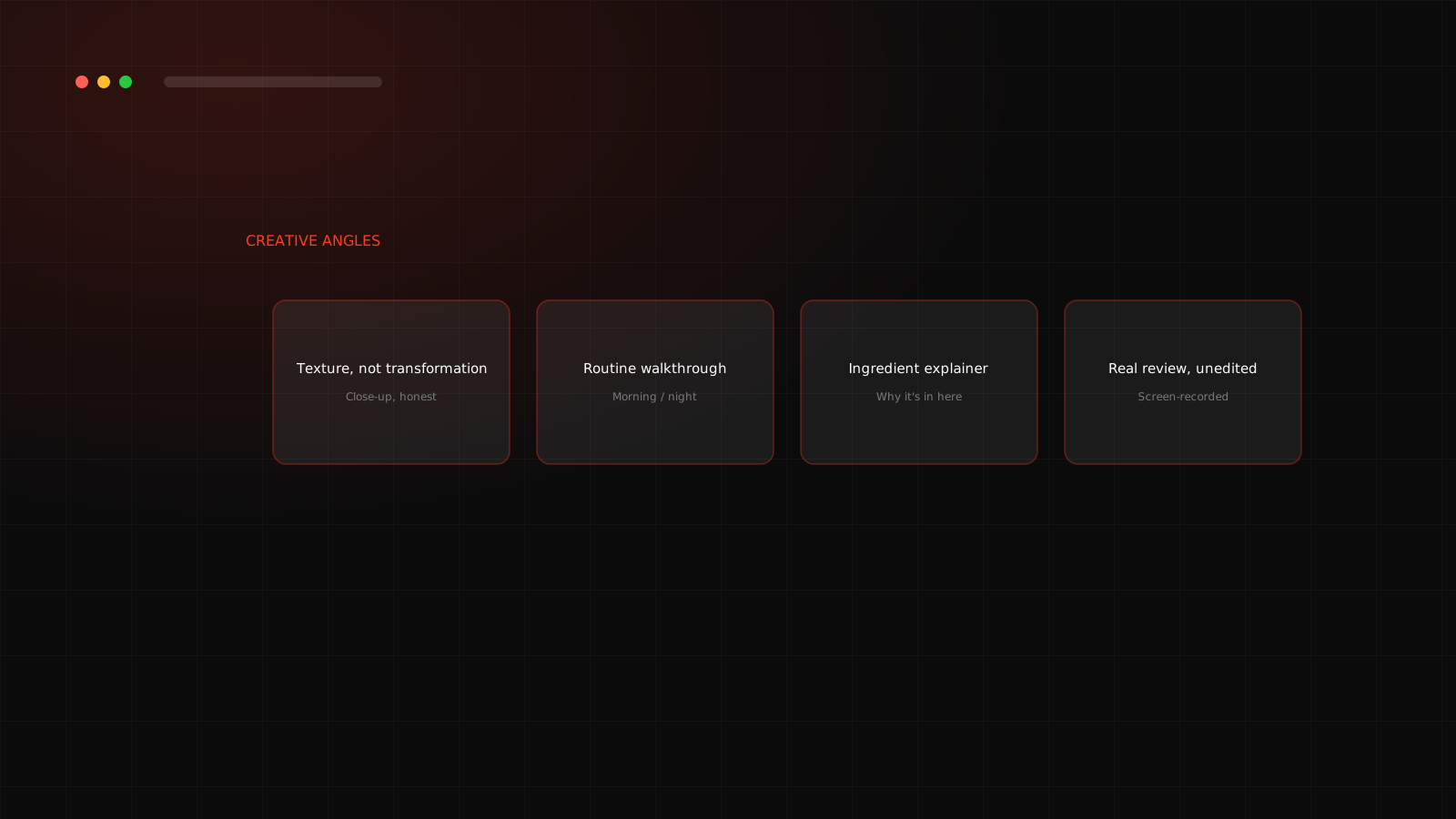
| "Your skin deserves better" | "The routine I switched to this year" |
What passes review instead
Getting inconsistent beauty ad approvals?
We audit ad copy against the current personal attributes enforcement before it costs you delivery time.
Once creative clears review reliably, the next question is whether the resulting CAC actually works. See beauty brand CAC benchmarks in India.
Frequently asked questions
A policy prohibiting ad copy that implies knowledge of a user's personal characteristics, health status, or physical condition, directly or indirectly. Enforcement expanded in March 2026 to cover indirect second-person framing, not just direct statements.
Beauty and skincare advertising has historically leaned heavily on copy that names a skin concern directly at the reader ("your acne," "your dull skin"), which is exactly the framing the expanded 2026 enforcement targets.
Yes, before/after imagery is no longer auto-rejected under Meta's 2026 claims-based enforcement model, but it cannot imply a guaranteed or unrealistic transformation, and pairing it with second-person flaw language compounds the rejection risk.